Brachypelmas Home

Category

Housing & Environment

17 articles

Before the Question Is Asked: A Neighbour-Friendly Account of the Brachypelma Shelf

Before the Question Is Asked: A Neighbour-Friendly Account of the Brachypelma Shelf

A short, factual note to neighbours, letting agents and landlords can answer the questions that matter without turning a contained collection into a controversy. This guide sets out what such a brief should contain, what it should leave out, and how to coordinate it with access visits and pest control in UK flats and terraces.
The Quiet Bin: Waste Handling as Part of Brachypelma Husbandry

The Quiet Bin: Waste Handling as Part of Brachypelma Husbandry

Substrate changes, shed skins, failed feeders and packaging all leave the shelf eventually. This guide treats that outflow as a husbandry matter: what UK keepers can reasonably place in household waste, how to seal it against pests, and when a larger clear-out deserves a written record.

The Smallest Barrier: Specifying and Replacing Ventilation Mesh on a Brachypelma Lid

The Smallest Barrier: Specifying and Replacing Ventilation Mesh on a Brachypelma Lid

Ventilation mesh is often the least examined component of a Brachypelma enclosure, yet it governs airflow, humidity and escape security in equal measure. This guide compares common materials and aperture sizes, explains where claws and setae can catch, and sets out a measured replacement routine for glass lids and DIY builds.

Unplugged: A Calm Blackout Protocol for the Brachypelma Shelf

Unplugged: A Calm Blackout Protocol for the Brachypelma Shelf

A power cut is rarely a crisis for a Brachypelma collection, but it is a test of preparation. This protocol sets out a calm, staged response for British keepers—from the first ten minutes to the timer reset—with species priorities and a simple household card.

Terms of Engagement: A Realistic Brief for Springtails in a Brachypelma Enclosure

Terms of Engagement: A Realistic Brief for Springtails in a Brachypelma Enclosure

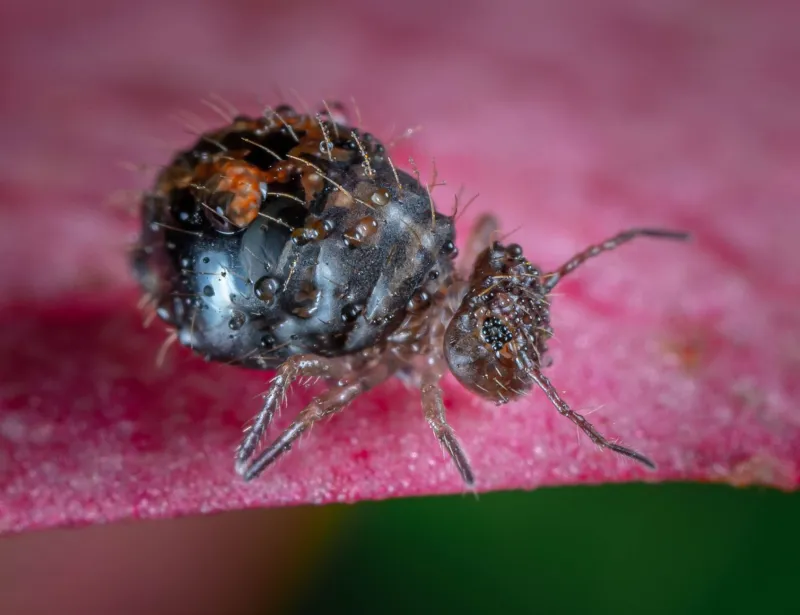
Bioactive setups are increasingly marketed to UK tarantula keepers as a low-maintenance answer to mould and waste. The relationship is better understood as a limited contract: springtails process certain organic materials under specific conditions, and they cannot compensate for a poorly designed enclosure. This article sets out what that contract covers, where it lapses, and how to decide whether to sign it in 2026.

Bagged, Batched and Bench-Tested: Choosing Peat-Free Substrate for Brachypelma in 2026

Bagged, Batched and Bench-Tested: Choosing Peat-Free Substrate for Brachypelma in 2026

Peat-free substrate is now the default at many UK garden centres, but the bag alone says little about burrow structure, moisture behaviour or contaminant risk. This guide treats substrate as a small, testable batch: inspect it, prepare it cautiously, and record how it performs in a British home before it goes into a Brachypelma enclosure.

Tremors in the Terrarium: A Vibration Audit for the Brachypelma Room

Tremors in the Terrarium: A Vibration Audit for the Brachypelma Room

Vibration is an overlooked variable in captive tarantula husbandry. This audit explains what a Brachypelma can detect through substrate and air, identifies the common domestic sources in British flats, terraces and semi-detached houses, and sets out realistic steps to reduce the worst of them without over-engineering the spider room.

Setae at Home: A Health Plan for the Household That Shares Your Spider Room

Setae at Home: A Health Plan for the Household That Shares Your Spider Room

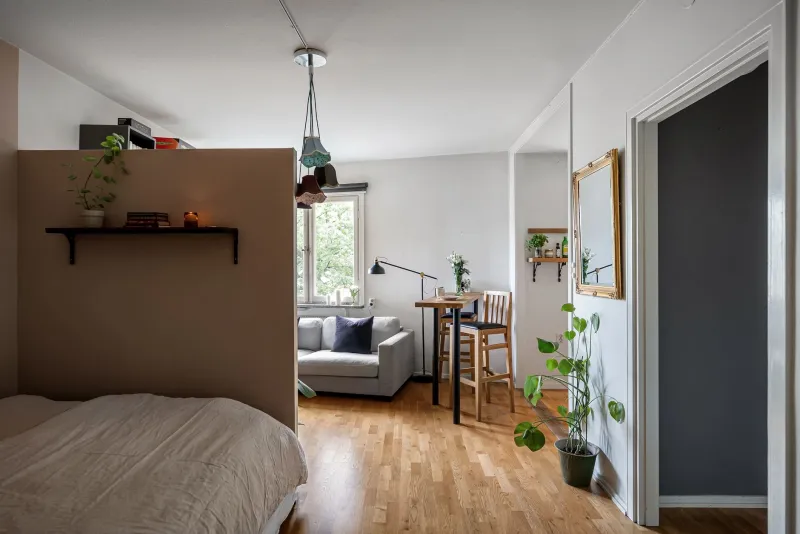
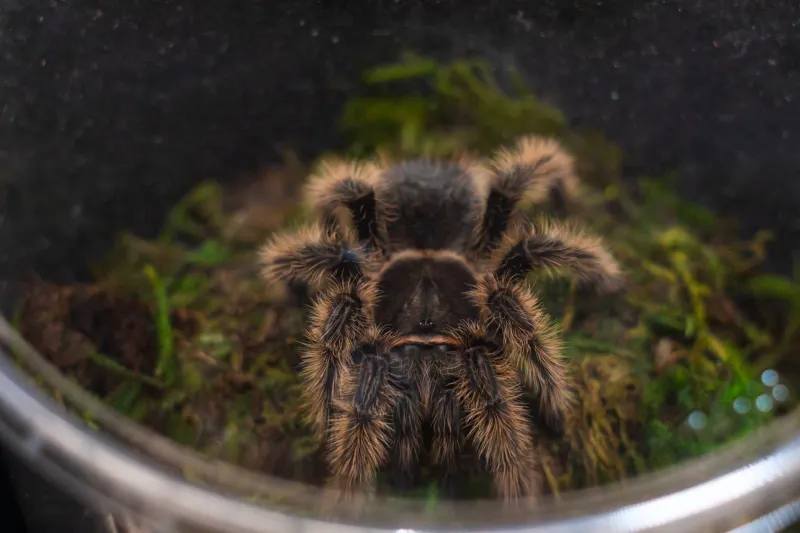
Urticating hairs are usually treated as a hobby punchline, but for the non-keeper sharing a flat they represent a real and repeatable exposure. This article sets out how Brachypelma setae behave in a domestic interior and offers a practical household plan covering placement, cleaning, laundry and the conversation with a GP, pharmacist or optician who has never heard of a tarantula.